Defensive Strategies and Dig Techniques
Master the fundamental defensive systems that transform volleyball teams into formidable barriers against opposing attacks. Learn proven positioning strategies, communication patterns, and dig mechanics that enable players to control the court and neutralize threats effectively.
Understanding Defensive Foundation Principles
Effective volleyball defense begins with understanding the fundamental principles that govern court positioning and player responsibility. A well-structured defensive system requires players to operate as a coordinated unit, each member understanding their role within the larger tactical framework.
The foundation of defensive play rests on several key concepts. Court coverage defines how players position themselves to defend against attacks from various angles and heights. Anticipation involves reading the opposing team's setup, movement patterns, and player tendencies to predict where attacks will originate. Communication establishes the flow of information between teammates, ensuring everyone maintains awareness of positioning, threats, and tactical adjustments.
Modern volleyball defense emphasizes balanced positioning where no court area remains undefended. Players must maintain appropriate distances from teammates, allowing for lateral movement while preventing defensive gaps. The relationship between front-row and back-row players creates a multi-layered defensive structure capable of responding to different attack types and velocities.
Mastering Dig Mechanics and Ball Control
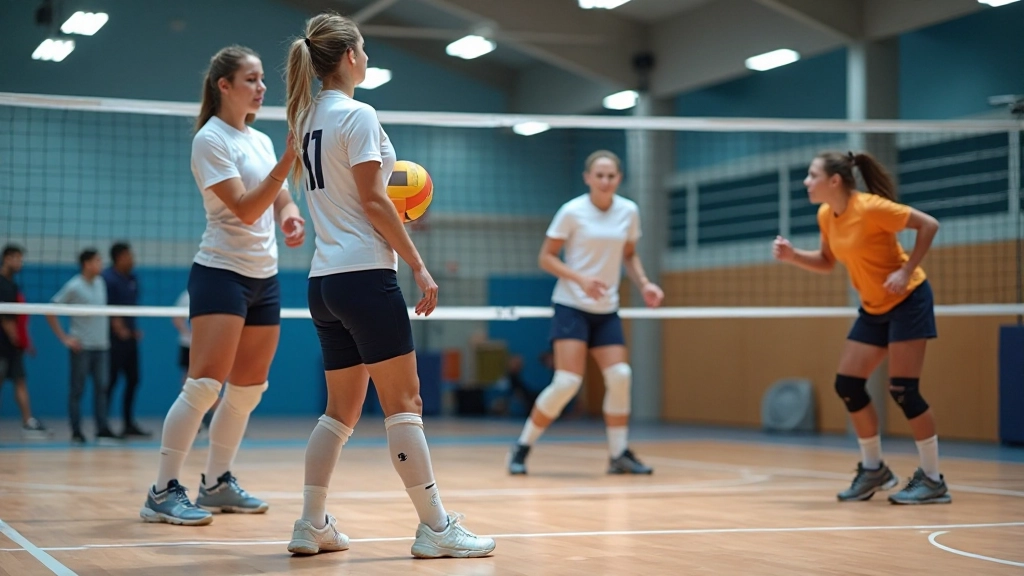
The dig represents the fundamental defensive skill in volleyball, requiring precise body mechanics and timing to redirect attacking balls toward the setting area. Understanding proper dig technique enables players to transform difficult situations into offensive opportunities through effective ball control.
Platform Development and Arm Positioning
Creating a stable platform forms the foundation of effective digging. Players position their feet shoulder-width apart, maintaining slight knee flexion to enable rapid directional changes. The arms create a unified surface by bringing the wrists together, with thumbs pointing downward and forearms angled upward at approximately 45 degrees to the floor.
Platform angle directly influences dig direction and control. A more horizontal platform directs the ball higher and deeper, while increased angle creates lower, more controlled passes. Players develop sensitivity to adjust platform angle instinctively based on incoming ball velocity and desired passing trajectory.
Footwork and Movement Patterns
Efficient footwork enables players to position themselves optimally before executing dig techniques. The ready position involves slight forward weight distribution, allowing players to move quickly in any direction. Lateral movement utilizes small adjustment steps, maintaining balance and platform stability throughout the movement sequence.
Players develop different footwork patterns for various situations. Short, explosive steps enable rapid directional changes for fast attacks. Longer stride patterns facilitate coverage of greater court distances when tracking balls with lower velocities. Backward movement requires controlled steps to prevent overcommitment while maintaining defensive readiness.
Contact Point and Ball Control
The contact point for digs occurs slightly below waist height, with the ball meeting the platform just above the wrist joint. Timing the contact point precisely influences pass accuracy and direction. Early contact points enable lower, more controlled passes suitable for quick offensive transitions. Later contact points accommodate faster incoming balls requiring defensive adjustments.
Successful dig execution involves absorbing ball velocity through controlled body movement rather than rigid arm contact. Players flex their knees and move their entire body toward the ball, creating a smooth deceleration path. This approach reduces impact forces while improving pass consistency and direction control.
Educational Information Disclaimer
This content provides educational information about volleyball defensive strategies and dig techniques. The information presented represents general instructional approaches and coaching methodologies. Individual coaching approaches may vary based on specific team needs, player development levels, and competitive circumstances.
Volleyball instruction and training should be conducted under qualified coaching supervision. Players developing their defensive skills benefit from personalized feedback from experienced coaches who can assess individual technique and provide specific recommendations. Physical conditioning and injury prevention should be integrated into all training programs.
Defensive Positioning Systems and Court Coverage
Systematic positioning approaches enable teams to defend efficiently against organized attacks while maintaining flexibility to adjust to different opponent strategies. Various defensive formations address specific tactical challenges while optimizing player strengths and team coordination.
Perimeter Defense Configuration
The perimeter defense system positions defenders around the court edges, creating a barrier against sideline attacks and cross-court placements. Back-row players assume positions near the sidelines with appropriate court depth, while front-row players adjust positioning based on block positioning and attack angle predictions.
Middle Coverage Approach
Middle coverage systems emphasize protecting the court center where the highest percentage of attacks occur. Players position themselves to cover the middle-front and middle-back areas, with wing defenders adjusting their depth based on middle player positioning and anticipated attack distribution.
Transition-Oriented Positioning
Transition positioning prioritizes recovery movement and quick transitions from defense to offense. Players position themselves to facilitate efficient movement toward setting targets, enabling faster offensive responses when defensive plays conclude successfully.
Effective positioning systems require constant communication and adjustment based on incoming information. Players develop reading skills that enable them to recognize opponent patterns and adjust positioning accordingly. Successful defensive teams maintain awareness of opponent setters, attackers, and overall tactical tendencies while executing their defensive assignments.
Communication Systems and Defensive Coordination
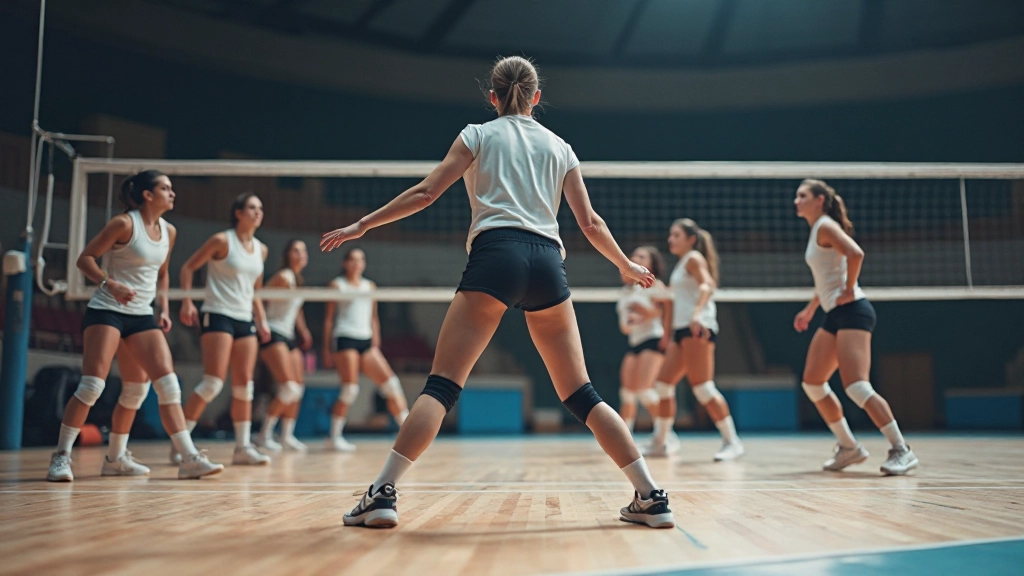
Communication forms the essential connection between individual defensive skills and team-level defensive effectiveness. Well-organized communication systems enable rapid information sharing, tactical adjustments, and coordinated responses to attacking threats.
Verbal Communication Protocols
Teams develop standardized verbal communication systems that enable players to share information quickly and clearly. Calling out opponent movements, providing positioning guidance, and acknowledging defensive assignments create information flow that maintains team awareness. Common communication calls identify attacking zones, setter locations, and tactical adjustments.
Effective communication involves balance between information sharing and focus maintenance. Excessive communication can create confusion, while insufficient communication leaves players uncertain about positioning and responsibilities. Teams refine their communication systems through deliberate practice, establishing consistency in call types, volume, and timing.
Non-Verbal Communication and Visual Cues
Beyond verbal communication, successful defensive teams utilize non-verbal signals and visual positioning cues. Players develop awareness of teammate positions and movements, enabling them to adjust their own positioning based on visual information. Hand signals, positioning movements, and eye contact facilitate communication in situations where verbal calls become impractical.
Pre-Play Coordination and Assignments
Pre-play communication establishes defensive assignments before each rally begins. Players communicate positioning preferences, attacking tendencies they've identified in opponents, and tactical adjustments based on recent plays. This preparation creates defensive readiness that enables quick responses when plays develop.
Training Approaches for Defensive Development
Systematic training methodologies enable players to develop defensive skills progressively while building consistency and game-situation readiness. Effective training integrates technical skill development with tactical application and game-realistic decision-making.
Progressive Skill Sequencing
Training progression begins with fundamental dig mechanics in controlled environments, gradually introducing movement, positioning demands, and game-realistic variables. Players develop foundational competency before advancing to complex tactical situations and high-speed play.
Game-Situation Training Integration
Effective training incorporates game-realistic scenarios where players apply defensive skills within tactical contexts. Transition drills, scrimmage situations, and match-play provide opportunities to develop decision-making skills alongside technical execution.
Individual Feedback and Adjustment
Personalized feedback from coaching staff enables players to identify technique adjustments and positioning improvements. Video analysis and specific drill work address individual development needs while maintaining alignment with team defensive systems.
Team Defensive Consistency Development
Specialized team training develops defensive synchronization where individual skills integrate into cohesive team defensive systems. Repeated execution of defensive patterns builds consistency and automaticity, enabling teams to maintain defensive structure even during high-pressure match situations.
Developing Defensive Excellence
Defensive mastery in volleyball develops through systematic skill development, strategic positioning understanding, and coordinated team execution. The fundamentals of proper dig mechanics, effective positioning systems, and clear communication create the foundation upon which defensive excellence is built.
Teams that prioritize defensive development through deliberate practice, coaching feedback, and tactical refinement create competitive advantages that translate into match success. Understanding these defensive principles provides teams with the framework to neutralize opposing attacks and control match outcomes through effective ball control and strategic positioning.
Explore Related Topics
Mastering Fundamental Serving Techniques
Explore essential serving mechanics and progressions that build consistency and offensive effectiveness through systematic skill development.
Read Article
Building Effective Team Coordination
Learn proven methods for developing communication patterns and tactical synchronization that enhance team performance and court control.
Read Article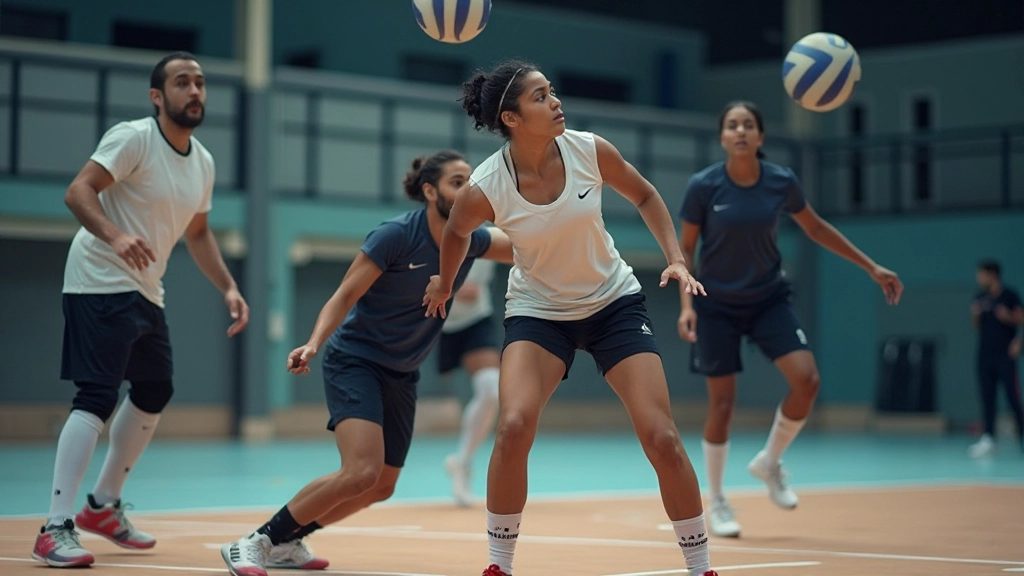
Setting and Positioning Fundamentals
Understand critical positioning principles and footwork patterns that enable setters to execute effective plays from various court locations.
Read Article