Mastering Fundamental Serving Techniques
Serving represents one of the most critical attacking opportunities in volleyball. This comprehensive guide explores essential serving mechanics, progression pathways, and coaching strategies that develop consistency and confidence in athletes from beginner to advanced levels.
Understanding Serving Fundamentals
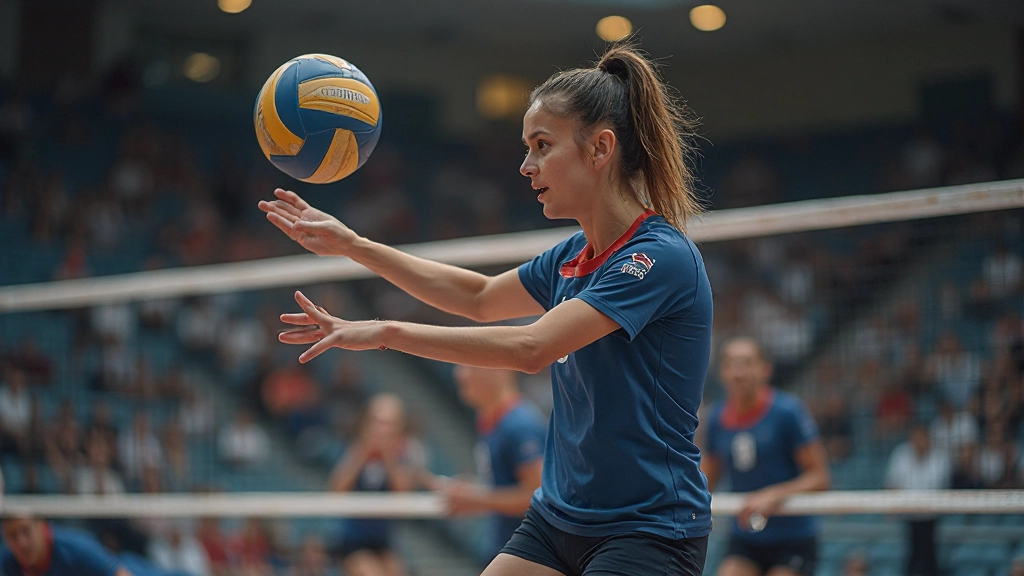
The serve initiates every rally in volleyball, making it a foundational skill that influences team performance and match outcomes. Unlike other volleyball techniques that respond to incoming balls, serving allows athletes complete control over their execution environment. This autonomy makes serving an ideal skill to develop consistency and build individual confidence.
Effective serving requires integration of several biomechanical components: proper stance, accurate ball placement, coordinated arm movement, and consistent follow-through. Each element contributes to accuracy, power generation, and ball trajectory control. Understanding how these components interact enables coaches to diagnose technical issues and implement targeted corrections.
The serve's evolution in modern volleyball has created distinct serving styles, each with specific advantages. Overhand serves offer power and control, float serves produce unpredictable movement, and jump serves generate velocity and attacking opportunities. Developing proficiency in multiple serving techniques provides tactical flexibility and keeps opponents adjusting throughout matches.
Progressive Training Pathways
Developing serving proficiency follows a structured progression that builds foundational mechanics before introducing advanced variations. This systematic approach prevents injury, establishes proper neuromuscular patterns, and creates the platform for advanced techniques.
Foundation Phase: Underhand and Basic Overhand
Beginning athletes benefit from underhand serves, which develop fundamental concepts: consistent toss, contact point awareness, and follow-through mechanics. Underhand serves reduce the coordination demands, allowing focus on proper stance and arm mechanics. Transitioning to basic overhand serves introduces the tossing motion and overhead arm path while maintaining technical consistency. Athletes should develop confidence with stationary, no-pressure serving before introducing targets or match situations.
Intermediate Phase: Float Serves and Target Accuracy
Float serves represent a distinct technical variation that requires precise contact and minimal spin. This phase emphasizes accuracy development through target-based drills, helping athletes understand ball trajectory control and placement strategies. Intermediate athletes practice serving to specific court zones, developing the ability to place serves strategically. This phase typically spans several months of consistent practice and reinforces the mechanics established in earlier stages.
Advanced Phase: Jump Serves and Power Development
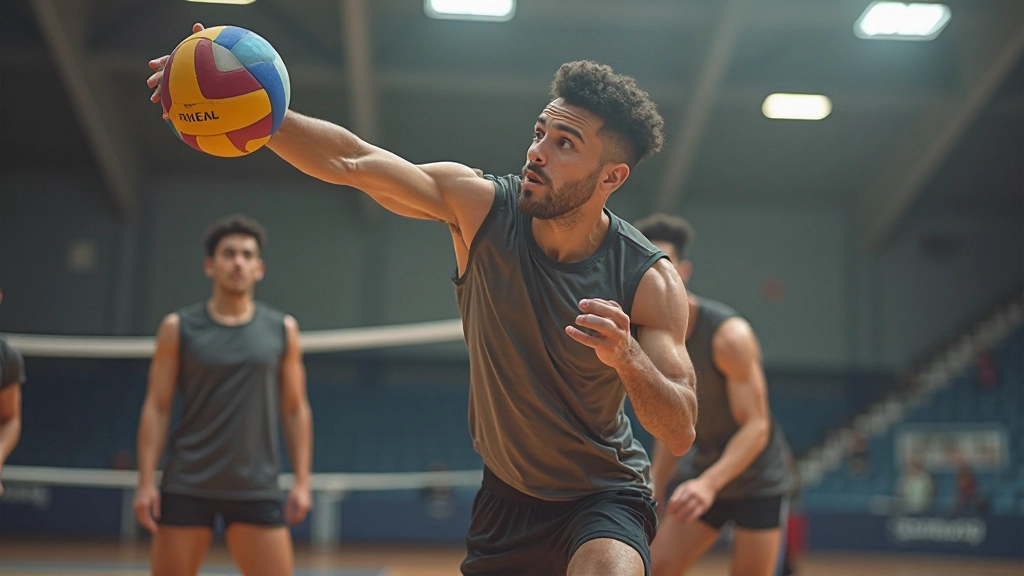
Advanced athletes develop jump serving techniques that incorporate approach steps, explosive jumping mechanics, and increased arm velocity. Jump serves require integration of lower body power, core stability, and timing coordination. This phase demands higher training volume and technical refinement. Athletes should possess consistent intermediate serving skills before advancing to jump serves, as proper foundational mechanics prevent injury and optimize power generation.
Progressive Overload Principle
Effective skill development incorporates gradual increases in difficulty: distance progression, pressure situations, target specificity, and opponent defense. Each increase in demand should occur after demonstrating consistent execution at previous levels. This prevents plateaus and maintains skill development momentum.
Educational Information Notice
This content provides educational information about volleyball serving techniques and training methodologies. It represents general coaching concepts and is not a substitute for personalized instruction from qualified volleyball coaches or sports professionals. Individual athletes have varying physical capabilities, injury histories, and learning speeds. Coaching decisions should consider specific athlete circumstances and development stages.
Athletes beginning advanced techniques, such as jump serves, should receive in-person instruction from certified coaches to ensure proper form and injury prevention. Training progression should be individualized based on assessment of current skills and physical readiness.
Coaching Strategies for Serving Development
Effective coaching emphasizes specific, observable technical elements and creates practice environments that build confidence. Identifying common technical patterns enables targeted instruction that addresses root causes rather than symptoms.
Toss Consistency Development
The toss establishes the foundation for all serving variations. Inconsistent tosses create unpredictable contact points and compensatory adjustments. Dedicated toss practice—without serving attempts—develops muscle memory and consistency. Athletes should practice 50-100 tosses daily, focusing on height consistency, placement consistency, and trajectory stability. Video analysis helps identify toss patterns and deviations, enabling targeted corrections.
Target-Based Drill Progressions
Serving accuracy develops through systematic target practice. Begin with large court zones, progressing to specific 3-foot service boxes. Combine accuracy drills with pressure variations: serving under time limits, serving after physical fatigue, serving in front of teammates. This develops practical match-applicable skills rather than isolated technical competence.
Video Analysis and Self-Assessment
Recording serving execution from multiple angles enables athletes to observe their mechanics directly. Comparing recorded executions with reference models identifies deviations and confirms improvements. Athletes develop greater awareness of their patterns and become better able to self-correct during practice and competition.
Pressure Situation Simulation
Match performance depends on serving under pressure: behind in score, during crucial points, with opposing team watching. Training should incorporate pressure simulation: competitive team drills, consequence-based serving (missed serves result in additional repetitions), and match-scenario practice. Athletes who practice under pressure conditions demonstrate improved match performance.
Serving Strategy and Team Coordination
Individual serving skill contributes to broader team strategy. Effective serving programs develop not only technical proficiency but also tactical understanding of serving placement, opponent vulnerability, and team system alignment.
Serving strategy involves identifying opponent weaknesses: back-row receivers with technical limitations, liberos in unfamiliar positions, or setters outside their preferred zones. Teams that develop serving accuracy to specific targets create tactical advantages. Advanced serving programs include scouting reports identifying opponent receiving patterns and systematic serving plans targeting identified weaknesses.
Team coordination extends to reception patterns: receivers must anticipate serve characteristics (float, spin, speed, direction) and adjust positioning accordingly. Serving consistency enables receiving specialists to develop reliable positioning and passing patterns. Conversely, serving inconsistency creates receiving uncertainty and defensive vulnerability.
- Develop serving accuracy to front-court and back-court zones
- Create systematic serving plans targeting specific opponent positioning
- Coordinate serving patterns with team defensive strategies
- Integrate serving tempo changes into match strategy
- Build team communication around serving decisions
Addressing Common Serving Challenges
Even experienced athletes encounter technical inconsistencies. Understanding common issues and correction strategies enables efficient problem-solving and continued improvement.
Inconsistent Ball Contact
Cause: Toss variability, arm path inconsistency, or timing issues between toss and swing.
Correction Strategy: Isolate toss practice from serving; use stationary balls initially; employ mirror feedback to verify arm path consistency; video analysis to identify contact point variations.
Lack of Serving Power
Cause: Insufficient lower body engagement, weak core stability, or limited arm velocity.
Correction Strategy: Strengthen lower body and core through targeted conditioning; focus on weight transfer in serving motion; practice explosive arm swing mechanics; incorporate plyometric training.
High Service Error Rate
Cause: Excessive speed attempts, poor technique under pressure, or inadequate confidence.
Correction Strategy: Return to slower, controlled serving; practice high-volume accuracy drills; simulate match pressure; develop mental consistency routines; reduce speed expectations until accuracy improves.
Difficulty Transitioning to Advanced Serves
Cause: Inadequate foundational mechanics, rushing progression, or insufficient practice volume.
Correction Strategy: Return to foundational technique assessment; increase practice frequency and volume; slow progression timeline; ensure consistent intermediate serving before advancing.
Building Long-Term Serving Excellence
Developing serving excellence extends beyond individual technique sessions. Sustainable improvement requires structured programming, consistent practice volume, and progressive challenge integration. Coaches who establish systematic serving development programs observe compound improvements: increasing accuracy percentages, expanding serving variety, and enhanced match performance reliability.
Successful serving programs typically include dedicated serving time in every practice session (10-15 minutes minimum), periodic technique assessment using video analysis, systematic progression through difficulty levels, and integration of serving into competitive team drills. Athletes who train serving consistently throughout the season maintain higher accuracy rates and demonstrate greater confidence in match situations.
Long-term athlete development incorporates serving mastery as a foundational competency that contributes to overall team performance. Clubs and programs that prioritize serving development gain competitive advantages through improved serve-reception patterns, enhanced team defensive stability, and increased scoring opportunities through well-executed serving strategy.
Key Development Principles
- Progressive skill development follows structured phases from basic to advanced
- Consistent practice volume and dedicated serving time yield measurable improvements
- Technical consistency develops through systematic drill progressions and video analysis
- Serving accuracy and placement create tactical team advantages
- Pressure simulation and match-realistic practice enhance competition performance
- Individual serving excellence contributes to comprehensive team system effectiveness